
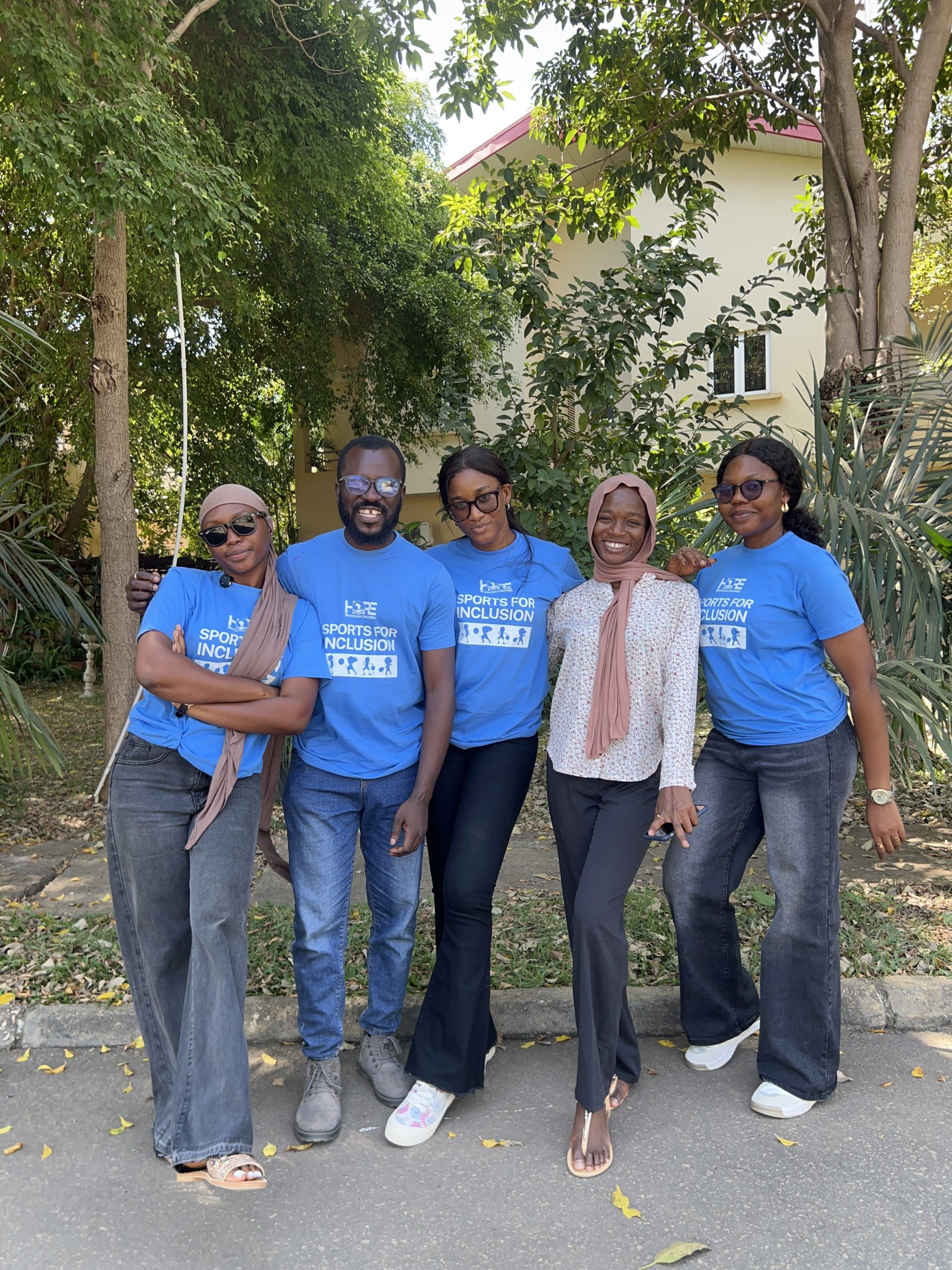
For many children in Nigeria, access to sports is taken for granted. For others, especially children with developmental, cognitive, or physical disabilities, it is quietly denied. Sports for Inclusion was created to confront this gap directly and to challenge the idea that play, movement, and teamwork are privileges reserved for only a few.
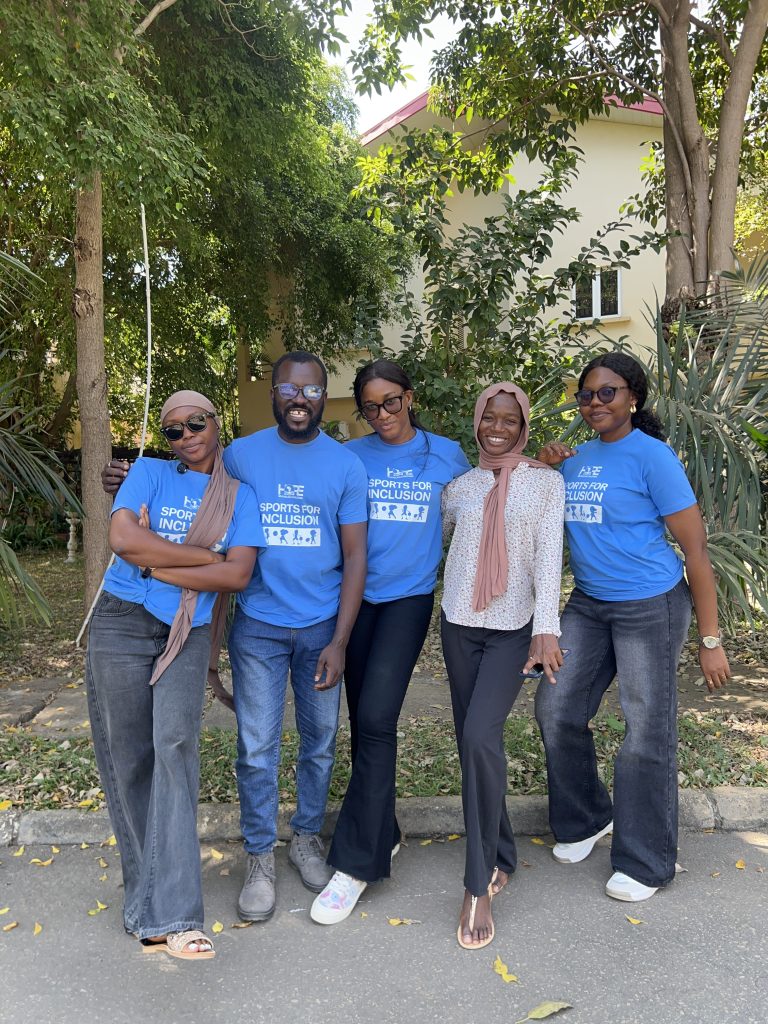
Through this initiative, HOPE works in partnership with Brain Bloom Center Abuja to use sports as a practical, everyday tool for inclusion. The focus is simple but urgent: ensuring that children who are often excluded from physical and social spaces are given room to participate, express themselves, and grow with dignity.
Sports for Inclusion recognizes that exclusion does not always come from cruelty. More often, it comes from poor design. Many sports programs are not built with diverse bodies and minds in view, which leaves children with special needs sidelined by default. This program treats that as a systems failure, not a personal one. By intentionally adapting sports activities, environments, and expectations, it creates space for every child to engage meaningfully, regardless of ability.
At the center of the program is the understanding that sport is more than play. Structured movement supports physical development, strengthens coordination, and improves motor skills. Group activities help children learn communication, emotional regulation, and cooperation in ways that classrooms alone often cannot. For children receiving therapeutic support, these sessions reinforce progress made in clinical settings while offering something just as important: joy.
The partnership with Brain Bloom Center Abuja gives Sports for Inclusion its depth and grounding. Brain Bloom’s expertise in developmental therapy and special education ensures that activities are safe, appropriate, and responsive to each child’s needs. HOPE brings community-centered programming, an inclusion-first philosophy, and the ability to scale impact beyond institutional walls. Together, they bridge the gap between therapy and everyday life, helping children practice skills in real, social environments rather than isolated settings.
The impact of Sports for Inclusion goes beyond the children themselves. Parents often see new sides of their children emerge through movement and play: increased confidence, improved social interaction, and a stronger sense of independence. Other children learn, sometimes for the first time, that difference is not something to fear or avoid but something to understand and respect. These small, consistent interactions begin to shift attitudes within families and communities.
At its core, Sports for Inclusion is a statement of values. It insists that inclusion must be visible, active, and intentional. It rejects token gestures and instead focuses on everyday practices that normalize participation for all children. By embedding inclusion into sports, one of the most powerful social tools available, the program challenges long-standing assumptions about who belongs where.
As HOPE continues this work with Brain Bloom Center Abuja, the goal is not just to run sessions, but to model what inclusive development should look like in practice. A society that makes room for every child to play is a society that takes equity seriously. Sports for Inclusion is one step toward that standard, and it is a step that matters.