
Across Nigeria, many children with disabilities and those affected by trauma are present in school but excluded from real learning. They attend classes, yet their needs go unrecognized, their struggles misunderstood, and their potential quietly dismissed. Learning Without Limits was created to confront this gap directly and to address a truth that is often ignored: the problem is not the child, but a system that has not equipped teachers to teach every learner.
Learning Without Limits is an education-focused initiative of HOPE, designed to strengthen teachers’ ability to recognize learning differences, respond to childhood trauma, and build inclusive classrooms where all children can participate meaningfully. The program is grounded in a clear understanding that inclusion does not start with policies or buildings. It starts with teachers who understand their students and have the tools to support them.
Through extensive engagement with schools, educators, parents, and education stakeholders in Nigeria, Learning Without Limits identified a recurring pattern. Teachers care deeply about their students but lack structured training on learning differences and trauma. Many described children who could explain answers verbally but could not write them down, students who struggled to copy from the board but understood lessons when spoken aloud, and others who needed repeated explanations delivered in different ways before concepts made sense. Too often, these children were labeled inattentive, slow, or unmotivated.
Teachers also spoke openly about trauma and how it shows up in classrooms. They described students affected by poverty, family separation, neglect, bullying, violence, and sexual exploitation. These experiences manifested as aggression, withdrawal, anxiety, restlessness, fear of teachers, low self-esteem, and disengagement from learning. In most cases, schools had no formal systems to help children regulate emotions or process what they were carrying. Teachers were left to respond instinctively, without guidance or support.
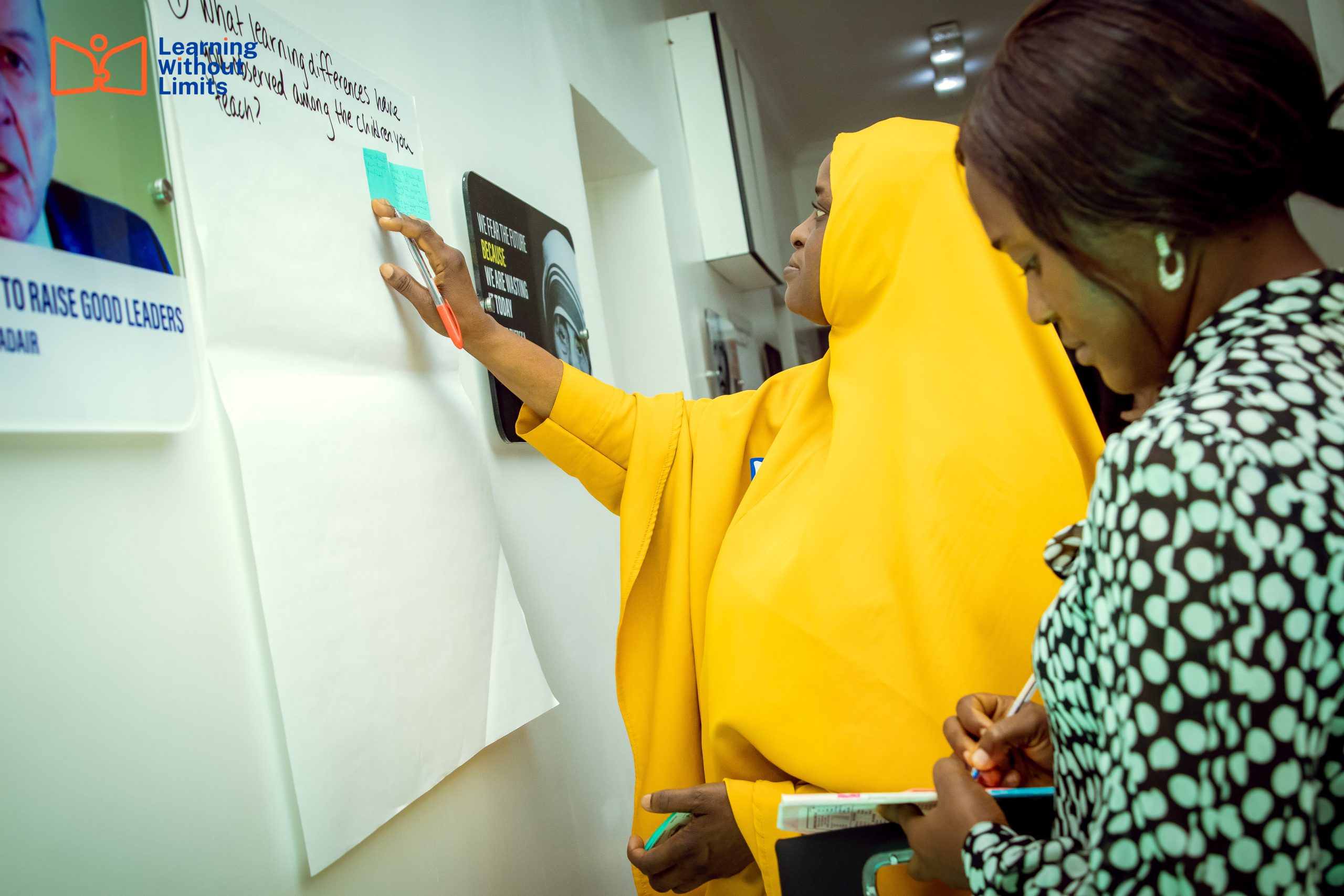
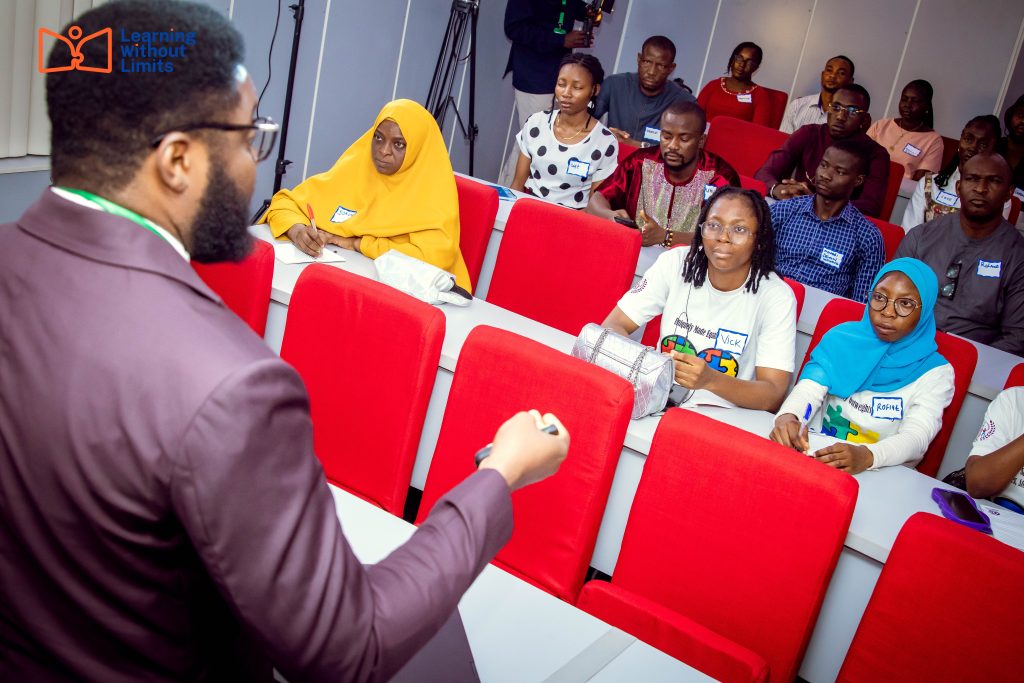
The Learning Without Limits teacher trainings were designed to meet teachers where they are. Rather than offering abstract theory, the sessions focused on real classroom experiences. Teachers explored how learning differences affect attention, memory, communication, and behavior, and how trauma can disrupt a child’s ability to feel safe enough to learn. They examined how bias and stigma shape expectations and how everyday language, tone, and posture can either shut children down or invite them in.
Teachers shared that many of the strategies they already use, such as encouragement, patience, and observation, are effective but often undervalued. Learning Without Limits helped them refine these practices and apply them more intentionally. Teachers discussed adapting lessons for different learning styles, repeating concepts using multiple approaches, pairing students strategically, avoiding public shaming, and focusing on strengths rather than deficits. These were not framed as special accommodations, but as good teaching.
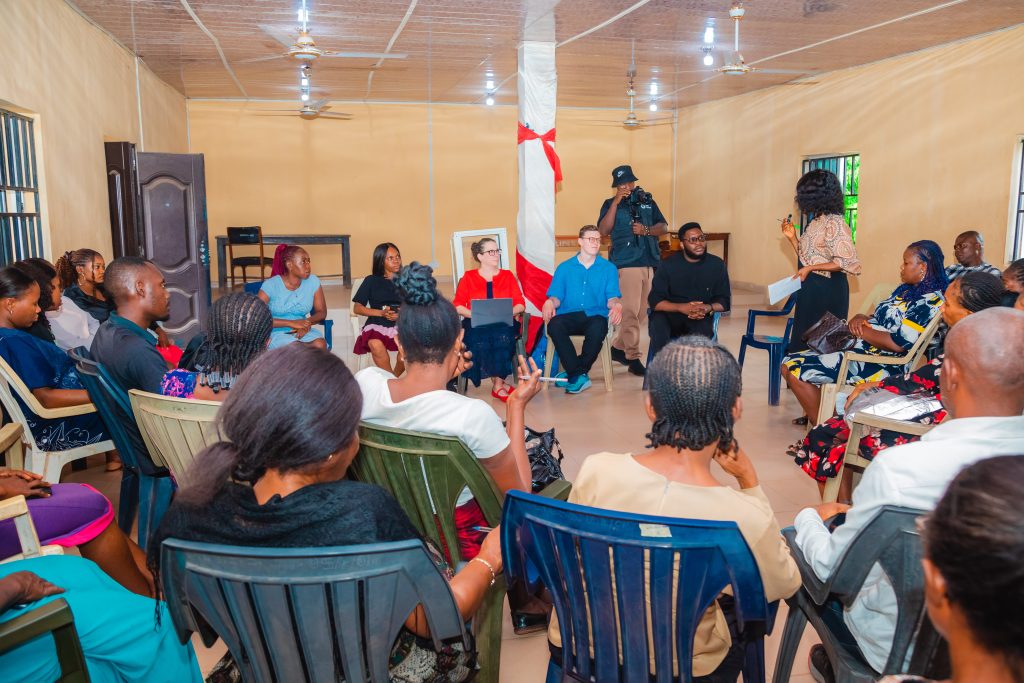
At the same time, teachers were honest about the barriers they face. Overcrowded classrooms, limited time, lack of teaching materials, insufficient access to special educators, and minimal parental involvement all make inclusion more difficult. Teachers spoke about the challenge of identifying learning differences when students are afraid to speak or when parents withhold information. They also highlighted the damage caused by stigma, as peers mock struggling students and communities label children as incapable.
Learning Without Limits does not pretend these challenges can be solved overnight. Instead, it equips teachers to respond more effectively within existing constraints while building a case for systemic improvement. Teachers identified the need for continuous professional development, better collaboration with parents, improved learning materials, smaller class sizes, and stronger policies on bullying and student well-being. These insights are shaping the future direction of the program.
For children with disabilities and those affected by trauma, the presence of even one trained teacher can be life changing. A teacher who understands learning differences is less likely to punish confusion. A teacher who understands trauma is more likely to calm a child before correcting them, to listen before labeling, and to create a sense of safety before demanding performance. These shifts determine whether a child withdraws further or begins to re-engage with learning.
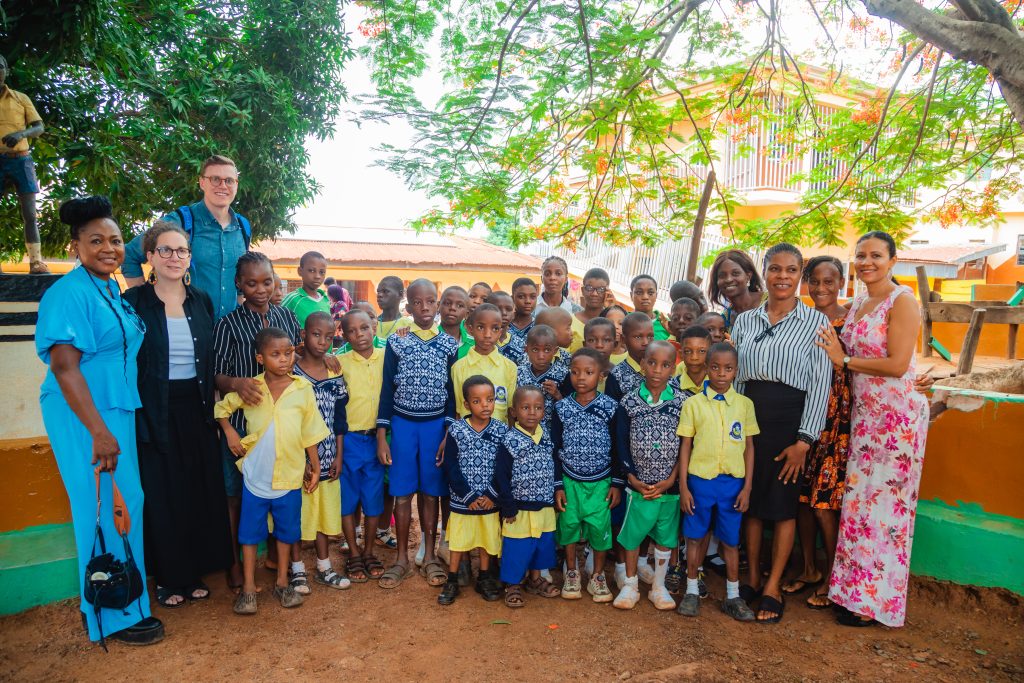
Learning Without Limits is not about separating children with disabilities from their peers. It is about strengthening mainstream education so it can hold difference without exclusion. Inclusive classrooms benefit all learners. When teaching becomes clearer, more flexible, and more compassionate, overall learning improves for everyone.
What has become clear through Learning Without Limits is that the demand for this work is real and urgent. Teachers want the knowledge. Schools are asking for support. Education stakeholders recognize the gap. By focusing on learning differences and childhood trauma together, Learning Without Limits addresses two of the most neglected barriers to education in Nigeria.
At its core, Learning Without Limits is about restoring dignity to the classroom. It insists that every child is capable of learning when given the right support, and that every teacher deserves training that reflects the realities they face. By equipping teachers and centering children who have long been overlooked, Learning Without Limits is helping to build an education system that does not give up on those who learn differently.